
8:59

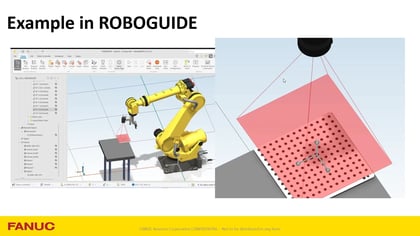
In this Tech Short, we will go over the essential process of calibrating iRVision cameras and why it is critical for accurate robotic vision applications. Camera calibration defines the relationship between the camera and the robot, ensuring precise positioning and reliable vision guidance. Whether you are working with a 2D camera or a 3DV sensor, the steps are similar, and we will walk through both scenarios using ROBOGUIDE.
We will start by explaining what calibration is and why it matters for your automation setup. Then, we will demonstrate how to create and configure camera data files, set up vision parameters, and use a calibration grid to determine the camera’s location. You will see how to handle both robot-mounted and fixed-mounted cameras, and learn best practices for achieving accurate results.
Requirements for Calibration:
What You Will Learn:
By the end of this video, you will understand the complete workflow for calibrating iRVision cameras and how to apply these techniques to your own robotic systems. Proper calibration ensures your vision-guided applications run smoothly and accurately, reducing downtime and improving efficiency. Sign up now to watch the full video and take your iRVision setup to the next level.


